

Ask any student what they dread most after a long day at school, and chances are you’ll hear one word: homework. For generations, homework has been a staple of education, seen as essential for reinforcing learning and building discipline. But as teaching methods evolve and digital tools change the way students absorb information, many are starting to ask: Is homework still necessary? Or is it an outdated concept that needs a serious rethink?
Homework in the Age of Digital Learning
Classrooms today look nothing like they did a few decades ago. Online resources, learning apps, and smart technology have completely transformed the educational experience. Students can now watch lessons on YouTube, collaborate on Google Docs, and get instant answers from AI-powered tutors. With so much learning happening outside the traditional classroom—and often in real-time—the question becomes whether additional take-home assignments still serve a purpose, or if they just add to student burnout.
The Case Against Traditional Homework
One of the biggest criticisms of homework is that it often leads to stress and exhaustion, especially when it piles up across multiple subjects. Critics argue that homework doesn’t always translate to better understanding or academic success—especially when students are simply completing worksheets or copying answers to meet deadlines. Plus, it can create inequality, since not all students have access to the same support or quiet spaces at home. In many cases, it feels more like busywork than meaningful learning.
The Argument for Keeping Some Homework
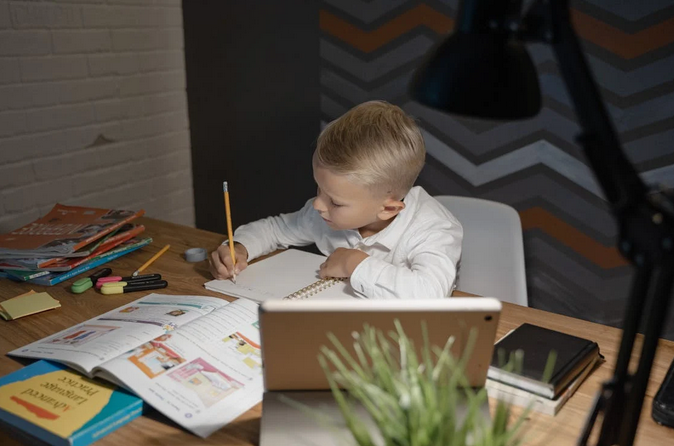
Of course, not everyone is ready to ditch homework completely. Supporters argue that it teaches valuable life skills, like time management, personal responsibility, and independent problem-solving. When designed thoughtfully, homework can reinforce classroom learning and help students practice concepts at their own pace. The key, some say, isn’t to eliminate homework but to reinvent it—making it more engaging, relevant, and balanced with students’ overall workload and well-being.
Alternative Approaches Are Gaining Ground
Schools around the world are already experimenting with homework alternatives. Some are replacing traditional assignments with project-based learning, where students explore topics they’re passionate about and present their findings creatively. Others are focusing on “flipped classrooms,” where students watch lectures at home and use class time for discussion and problem-solving. These methods aim to make learning more interactive, personal, and collaborative—without relying so heavily on nightly homework sessions.
Students (and Parents) Are Speaking Up
It’s not just educators and researchers weighing in on the future of homework—students and parents are increasingly vocal about their needs and frustrations. Many families are pushing for less homework and more time for rest, hobbies, and social interaction. With mental health now a central concern in education, schools are being challenged to find a better balance between academic expectations and student well-being. And for many, reducing or rethinking homework is a big part of that equation.
Homework isn’t going away overnight, but its role in education is shifting. As learning continues to evolve, so should our approach to what happens after the school day ends. Instead of asking if homework should exist at all, maybe the better question is: how can we make it meaningful, manageable, and truly supportive of student growth? The future of homework may not involve more hours at the kitchen table—but it might just lead to better, smarter learning for everyone.…